
When we think about skincare, we tend to focus on topical products. A 5-step routine with cleansers, moisturizers, serums, etc. But healthy, radiant skin does not just come from what you put on your body. It is also deeply influenced by what you put in your body.
There is growing research in nutritional dermatology showing that diet plays a key role in skin health, aging, inflammation, and conditions like acne. Your skin is not separate from the rest of your body, but it can be a reflection of your internal health.
The Gut-Skin Connection
Your skin and gut are closely connected through the “gut-skin axis”. It is a pathway linking digestion, the immune system, and skin health. Your gut microbiome is made up of trillions of bacteria, which help regulate inflammation, support immune function, and influence how your body responds to internal and external stressors. When your gut is supported, your body is better able to keep inflammation under control, which positively impacts skin health.
A nutrient-dense and balanced diet helps nourish these beneficial bacteria. Foods rich in fiber, like fruits, vegetables, whole grains, nuts, and seeds, act as fuel for your gut and promote a healthy and diverse microbiome.
On the other hand, diets high in ultra-processed foods and low in fiber may contribute to dysbiosis (gut imbalance). This imbalance has been associated with increased intestinal permeability (“leaky gut”), causing inflammation and leading to conditions like acne, eczema, and rosacea.
Support your gut by:
- Including fiber-rich foods daily
- Adding fermented food like yogurt or kefir
- Eating consistently
- Balanced and satisfying meals
Why Balanced Eating Matters
While it can be tempting to look for specific “skin superfoods”, the truth is your body functions best with balanced, consistent nutrition with a variety of foods and food groups.
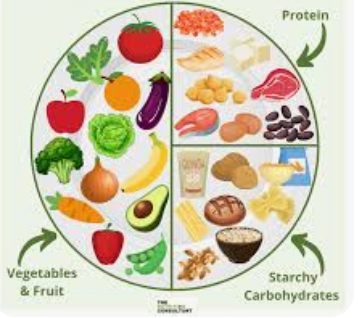
Each macronutrient plays a role:
- Carbs → Provides energy for skin cell turnover and daily repair processes
- Protein → Supports amino acids for collagen production and tissue repair
- Fats → Supports skin hydration and hormone balance
When meals are unbalanced, you may experience blood sugar spikes and crashes. Over time, this can contribute to inflammation, hormone fluctuations, and skin concerns.
Key Nutrients That Support Skin Health
1. Antioxidants: Your Skin’s Defense System
Antioxidants are certain nutrients, such as vitamin C and E, that are found in a wide variety of fruits and vegetables. They help protect cells against oxidative stress caused by factors like UV exposure, pollution, and normal metabolic processes. Over time, this can lead to premature aging and skin damage. A diet rich in antioxidants supports your body’s ability to repair and protect itself from within.
Simple ways to apply this:
- Adding berries or citrus fruit to your breakfast
- Include colorful vegetables at lunch and dinner
- Blend frozen fruit and leafy greens into smoothies
2. Healthy Fats: Hydration and Glow
Healthy fats, especially omega-3 fatty acids, play a key role in reducing inflammation and supporting the skin barrier. A strong skin barrier helps retain moisture, protect against irritants, and maintain overall skin health. Dietary fats also help the body absorb fat-soluble vitamins like A, D, E, and K, many of which are directly involved in skin repair and maintenance.
Real-life ways to include more healthy fats:
- Add olive oil to a salad and roasted vegetables
- Top toast or grain bowls with avocado
- Pair fruit with nut butter for a balanced snack
- Include fatty fish like salmon a few times per week
3. Protein and Collagen Support: Structure and Elasticity
Collagen is the main structural protein in your skin and is responsible for firmness and elasticity. As we age, collagen production naturally declines, but nutrition plays a role in supporting its production.
Your body produces collagen most effectively when it has adequate protein, vitamin C, and zinc. While collagen supplements can be helpful, prioritizing nutrients through whole foods is important.
Examples:
- Chicken with roasted red peppers
- Greek yogurt with berries
- Eggs with whole-grain toast and avocado
**Note: Check out our blog post that goes more in-depth on collagen!
4. Zinc and Vitamin A: Acne and Skin Repair
Zinc and vitamin A are essential for skin healing, regulating oil production, and supporting healthy cell turnover.
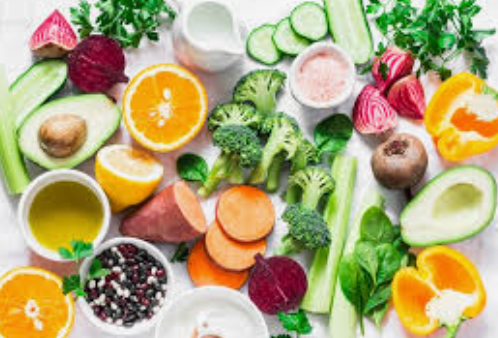
Easy ways to include them:
- Pumpkin seeds or nuts added to meals or snacks
- Orange vegetables like carrots or sweet potatoes
- Balanced snacks like carrots with hummus
Eating Enough
One of the most overlooked factors in skin health is adequate energy intake. Even if someone is eating “healthy” foods, it may not translate to healthy skin if the body is not getting enough total fuel. Your body prioritizes essential functions first, and when energy is too low, processes like skin repair, regeneration, and collagen production can take a back seat.
Chronic undereating can:
- Slow skin repair and regeneration
- Impact hormone balance and trigger breakouts
- Increase stress hormones that affect inflammation
- Contribute to dull or irritated skin
Eating enough, and eating consistently helps your body feel safe, supported, and better able to function optimally
The Big Picture:
When it comes to skin health, it is less about individual foods and more about overall patterns. Skin is often impacted by frequent blood sugar spikes and crashes, diets high in ultra-processed foods, and restrictive eating patterns. Instead of focusing on what to eliminate, we encourage you to focus on what can be ADDED to your meals and snacks.
Start Small!
You do not need to overhaul everything at once. Small, consistent changes can make a big difference over time.
Ideas to start with:
- Build balanced meals with protein, fats, and complex carbs
- Eat consistently throughout the day (aim for every 3-4 hours)
- Include a variety of colorful, whole foods
References
Cleveland Clinic—The Best Way You Can Get More Collagen
https://health.clevelandclinic.org/the-best-way-you-can-get-more-collagen
Nutrition and Skin Health: A Review of the Evidence
https://www.mdpi.com/2072-6643/17/1/60
Explore Nutrition Support
Looking for personalized guidance? Learn more about our nutrition counseling services, eating disorder support, and virtual nutrition counseling, or contact our team to schedule a consultation.